
Achieving Carbon Certification for Urban Parks

Urban parks are essential green spaces that provide numerous benefits to cities and their inhabitants. They enhance biodiversity, improve air quality, and offer recreational opportunities. However, as cities continue to grow, the environmental impact of urbanization becomes increasingly significant. One way to mitigate this impact is through carbon certification for urban parks. This blog post will explore the steps involved in achieving carbon certification, the benefits it brings, and examples of successful implementations.
Understanding Carbon Certification
Carbon certification is a process that verifies the carbon footprint of a project or organization. It involves measuring greenhouse gas emissions and implementing strategies to reduce them. For urban parks, this means assessing the park's overall carbon impact, including emissions from maintenance activities, transportation, and energy use.
Why Carbon Certification Matters
Environmental Impact: Urban parks can play a crucial role in sequestering carbon dioxide, thus helping to combat climate change.
Community Engagement: Achieving carbon certification can foster community involvement and awareness about sustainability practices.
Funding Opportunities: Certified parks may qualify for grants and funding aimed at promoting green initiatives.
Steps to Achieve Carbon Certification
Achieving carbon certification for urban parks involves several key steps:
1. Conduct a Carbon Footprint Assessment
The first step is to measure the park's carbon footprint. This includes evaluating:
Maintenance Activities: Assess emissions from mowing, landscaping, and waste management.
Transportation: Consider emissions from visitors traveling to and from the park.
Energy Use: Evaluate energy consumption from lighting, irrigation systems, and facilities.
2. Develop a Carbon Reduction Plan
Once the carbon footprint is assessed, the next step is to create a plan to reduce emissions. This plan may include:
Sustainable Landscaping: Implementing native plants that require less water and maintenance.
Renewable Energy Sources: Utilizing solar panels for park facilities.
Waste Reduction Strategies: Encouraging recycling and composting within the park.
3. Implement Carbon Sequestration Practices
Urban parks can actively sequester carbon through various practices:
Tree Planting: Increasing tree cover can significantly enhance carbon absorption.
Soil Management: Healthy soils can store more carbon. Practices such as composting and reducing tillage can improve soil health.
Wetland Restoration: Restoring wetlands can provide natural carbon sinks.
4. Monitor and Report Progress
Regular monitoring is essential to track the effectiveness of the carbon reduction plan. This involves:
Data Collection: Continuously gather data on emissions and carbon sequestration.
Reporting: Share progress with stakeholders and the community to maintain transparency and engagement.
5. Obtain Certification
After implementing the necessary changes and demonstrating progress, the final step is to apply for carbon certification. This typically involves:
Documentation: Providing evidence of the carbon footprint assessment, reduction plan, and monitoring results.
Third-Party Verification: Engaging an independent organization to verify the claims made in the application.
Benefits of Carbon Certification for Urban Parks
Achieving carbon certification offers numerous advantages for urban parks, including:
Enhanced Environmental Benefits
Certified parks contribute to reducing overall greenhouse gas emissions, improving air quality, and promoting biodiversity. They serve as vital green lungs for urban areas.
Increased Community Engagement
Carbon certification can engage the community in sustainability efforts. It encourages residents to participate in park activities, volunteer for maintenance, and advocate for green initiatives.
Economic Opportunities
Certified parks may attract funding and grants aimed at promoting environmental sustainability. This financial support can be used for further improvements and maintenance.
Improved Public Health
Green spaces contribute to better mental and physical health. By enhancing the park's environmental quality, carbon certification can lead to healthier communities.
Case Studies of Successful Carbon Certification
Example 1: Central Park, New York City
Central Park has implemented various sustainability initiatives, including tree planting and energy-efficient lighting. The park's management has conducted a carbon footprint assessment and is actively working towards reducing emissions through sustainable practices.
Example 2: Golden Gate Park, San Francisco
Golden Gate Park has focused on enhancing its biodiversity and reducing its carbon footprint. The park has engaged in extensive tree planting and has implemented a composting program to manage organic waste effectively.
Example 3: Millennium Park, Chicago
Millennium Park has achieved carbon certification by integrating renewable energy sources and promoting sustainable transportation options. The park's management has worked closely with the community to raise awareness about its sustainability efforts.
Challenges in Achieving Carbon Certification
While the benefits of carbon certification are clear, there are challenges that urban parks may face:
Funding Limitations
Many parks operate on tight budgets, making it difficult to allocate funds for sustainability initiatives. Seeking grants and partnerships can help overcome this barrier.
Community Resistance
Some community members may resist changes, especially if they perceive them as inconvenient. Engaging the community through education and involvement can help mitigate resistance.
Data Collection Difficulties
Accurate data collection is crucial for assessing carbon footprints. Parks may lack the resources or expertise to gather and analyze data effectively.
Conclusion
Achieving carbon certification for urban parks is a vital step toward promoting sustainability and combating climate change. By following the outlined steps, parks can significantly reduce their carbon footprint, enhance community engagement, and improve public health. As cities continue to grow, the importance of green spaces cannot be overstated. Urban parks must lead the way in sustainability efforts, setting an example for future generations.
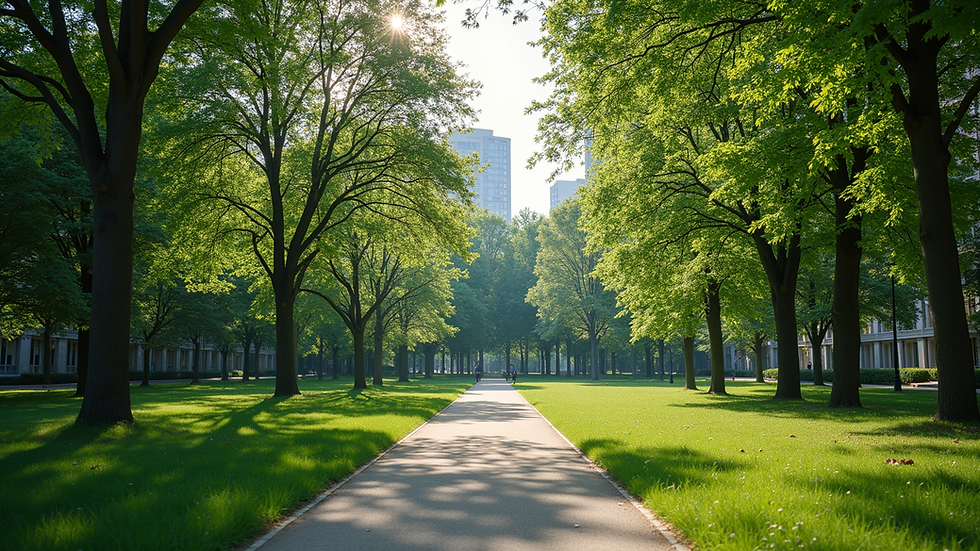
By taking action now, urban parks can become champions of sustainability, inspiring communities to embrace eco-friendly practices and contribute to a healthier planet. The journey towards carbon certification may be challenging, but the rewards are well worth the effort.


Comments